
The historical evolution of gambling tracing its roots through time
The Ancient Beginnings of Gambling
The origins of gambling can be traced back to ancient civilizations, where games of chance were played using rudimentary materials. Archaeological findings suggest that around 3000 BC, the Chinese were using dice made from bone. Similarly, ancient Mesopotamia is credited with the earliest recorded use of dice, indicating that the thrill of chance has been a part of human culture for thousands of years. In these early societies, gambling was not just a form of entertainment; it was often associated with non gamstop casino and intertwined with religious rituals and social gatherings.
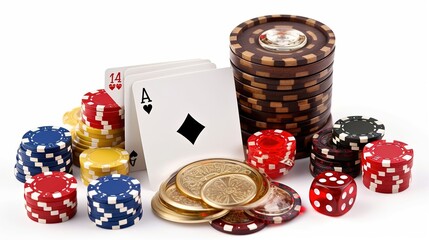
The act of betting was often seen as a way to communicate with the divine. Thus, gambling set the stage for social bonding, making it an essential aspect of communal life in many early cultures.
The Evolution Through the Ages
As societies evolved, so did the forms of gambling. The Romans were known for their gambling games, which were often associated with festivals and public gatherings. The popularization of games such as dice, betting on chariot races, and gladiatorial contests laid the groundwork for gambling as a mainstream activity.
The Middle Ages saw the emergence of card games, which further diversified gambling activities. As trade routes expanded, so did the influence of card games from Asia to Europe. This period marked the transformation of gambling from simple dice games to more complex activities involving skill and strategy, shaping the gambling landscape as we know it today.
The Rise of Modern Gambling Establishments
The 18th and 19th centuries marked significant advancements in the gambling industry with the establishment of casinos. The first official casino, the Casino di Venezia, opened its doors in Italy in 1638, laying a foundation for gambling houses worldwide. This era saw the birth of structured gambling environments, offering a variety of games and entertainment options.
During this time, gambling became increasingly regulated, with governments recognizing its potential for taxation and revenue generation. The formation of betting houses and the development of lotteries provided citizens with new opportunities to wager, further embedding gambling into the societal fabric of modern civilization.
The Social Aspects of Gambling Today
In contemporary society, gambling serves various social functions beyond mere entertainment. It often acts as a catalyst for social interaction, where friends and families gather to enjoy games together. Casinos and online platforms have transformed gambling into a social event, fostering community engagement. However, the growing prevalence of gambling also brings to light discussions about addiction and responsible gaming.
As communities work to create a balanced approach, it becomes essential to recognize the implications of gambling on mental health and social well-being. The social aspects of gambling highlight both enjoyment and the need for participation in a responsible manner.

The Future of Gambling and Its Impact on Society
The future of gambling is poised for continuous evolution, particularly with advancements in technology. Online gambling platforms and mobile apps have revolutionized how people engage with gambling, making it more accessible than ever. This shift is reshaping social dynamics, as individuals can now participate in gambling activities from the comfort of their homes.
As the landscape changes, it is essential to maintain awareness of the social implications and develop strategies to promote responsible gaming. The balance between enjoyment and responsibility will play a critical role in ensuring that gambling remains a positive aspect of social interaction in the future.
 English
  Japanese
Leave a Reply